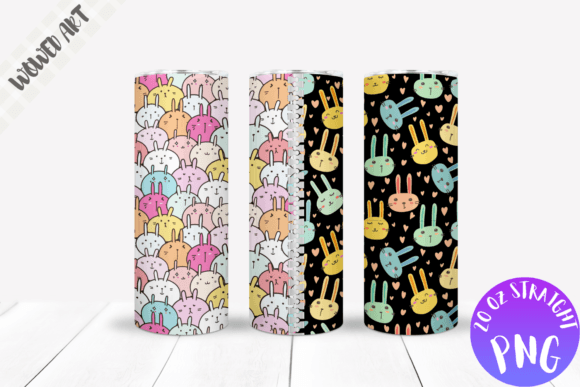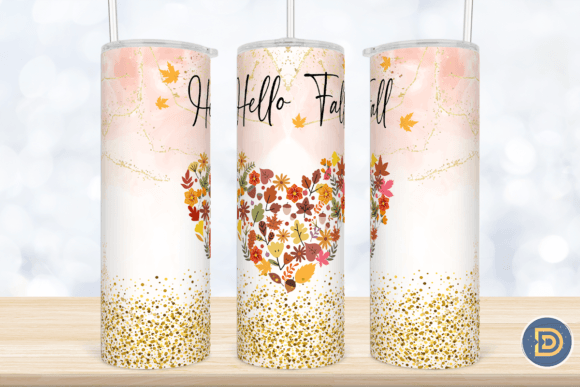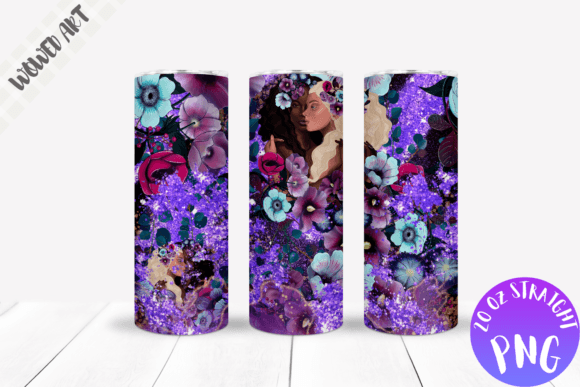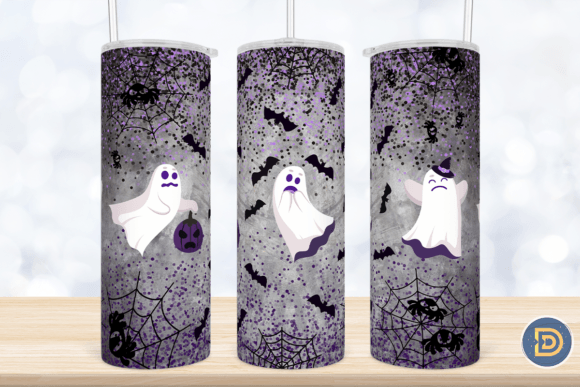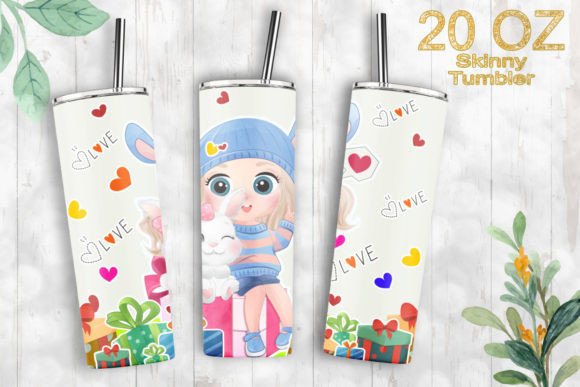
20oz Tumbler Bunny and Girl Sublimation
A Designer’s First Glance: Charm with Quiet Confidence
When I opened the 20oz Tumbler Bunny and Girl Sublimation file, what struck me first wasn’t technical precision—it was warmth. The composition balances soft curves and gentle negative space: a stylized bunny nestled beside a simple, smiling girl figure, both rendered with clean outlines and subtle rounded details. It reads as friendly, not cutesy; sweet, not saccharine. As a designer who regularly selects embroidery assets for boutique baby lines and small-batch apparel, I immediately pictured this on a linen tea towel or an organic cotton tote—not as a loud statement, but as a quiet signature of care.
Where This Design Truly Shines in Real Embroidery Projects
I tested the 20oz Tumbler Bunny and Girl Sublimation concept across several physical mockups—no actual stitching yet, but deliberate visualization grounded in years of machine embroidery work. On a lightweight cotton sweatshirt? Yes—but only if placed front-and-center above the left chest, where the design’s horizontal flow mirrors the garment’s natural drape. On a baby onesie? Ideal for the back yoke, where its modest height avoids seam interference and its open shapes prevent puckering on delicate knit fabric. As an embroidered patch? Absolutely—its clear silhouette and moderate detail translate well into satin-stitched borders and light fill-stitch interiors without overwhelming thread density.
For Etsy sellers and craft business owners, this is a quietly versatile asset. It works beautifully in nursery decor—think pillow covers or framed hoop art—because it avoids trend-driven motifs that date quickly. It also holds up well in holiday embroidery contexts when paired with seasonal accents (a tiny stitched bow, a single sprig of holly added manually), but it doesn’t rely on them to feel complete. That independence matters: it means your customers recognize your brand voice, not just the season.
Places to Pause—and Plan Ahead
This isn’t a one-size-fits-all embroidery file. Its gentle curves and connected elements demand thoughtful placement. On caps or curved surfaces like tumblers (despite the name referencing sublimation), the design’s width may stretch or distort unless resized carefully and stabilized with cutaway + tear-away combo stabilizer. On textured fabrics—like terry cloth towels or bouclé baby blankets—fine interior details could blur; I’d simplify or omit small internal lines before digitizing for those substrates.
Dark fabric requires extra attention: the original PNG’s light-on-dark contrast suggests it was optimized for sublimation, not direct embroidery. Before stitching on navy or charcoal, test thread color contrast using matte poly or rayon threads—avoid glossy metallics that compete with the design’s soft tone. And while the 20oz Tumbler Bunny and Girl Sublimation looks balanced at glance, zoom in: the bunny’s ear tips and the girl’s hairline contain subtle tapering. Those areas need precise stitch alignment—so verify your embroidery file includes smooth vector paths or clean stitch runs, especially if you’re converting from PNG to embroidery format yourself.
Practical Notes Every Embroidery Designer Should Check
- Test on scrap fabric first—especially if using lightweight knits or blends prone to shifting.
- Review stitch density: Overly dense fills will overwhelm the design’s airy feel; aim for 15–20% underlay and balanced top-layer coverage.
- Confirm hoop size compatibility: Its horizontal orientation favors 4x4" or larger hoops—tighter spaces may require cropping or repositioning.
- Inspect small details in black-and-white mockups: does the bunny’s nose still read clearly? Does the girl’s smile hold shape without shading?
- Compare light vs. dark backgrounds digitally before stitching—you’ll spot contrast gaps faster than on fabric.
- Use proper stabilizer: medium-weight cutaway for stable wovens; lightweight tear-away + topping for knits.
- Verify licensing before selling finished products or bundling as design assets—this is a digital download, not a commercial-use license by default.
How It Shapes Perception—Beyond the Stitch
What makes the 20oz Tumbler Bunny and Girl Sublimation more than just another cute graphic? It supports intentionality. When used thoughtfully—say, on a hand-stitched apron for a local bakery or a personalized gift for a newborn—it elevates perceived value without shouting. Customers notice craftsmanship, not clutter. That translates directly to trust: a handmade product feels considered, not assembled. For small shop owners and creative entrepreneurs, that consistency builds repeat buyers and word-of-mouth referrals.
It also fits naturally into cohesive branding. Pair it with minimalist typography or neutral thread palettes (oatmeal, slate, dusty rose), and it becomes part of a visual language—not a standalone decoration. That’s crucial for Etsy sellers curating collections or craft fair vendors building shelf presence. And because it avoids over-detail, it photographs well in printable mockups—clean edges, no fuzzy gradients—making your digital listings look professional even before a single stitch is made.
Final Thought: A Design That Serves the Maker
The 20oz Tumbler Bunny and Girl Sublimation isn’t flashy—but then, the best embroidery design assets rarely are. They’re reliable, adaptable, and respectful of both fabric and wearer. As a Crafts and Graphics asset, it leans into simplicity without sacrificing personality. Use it where softness matters: baby embroidery, kitchen textiles, slow-made apparel, heartfelt gifts. Just remember—its strength lies in how you frame it. Let the design breathe. Choose thread colors that whisper, not shout. Prioritize stabilizer over speed. And always, always test before committing to the final piece.