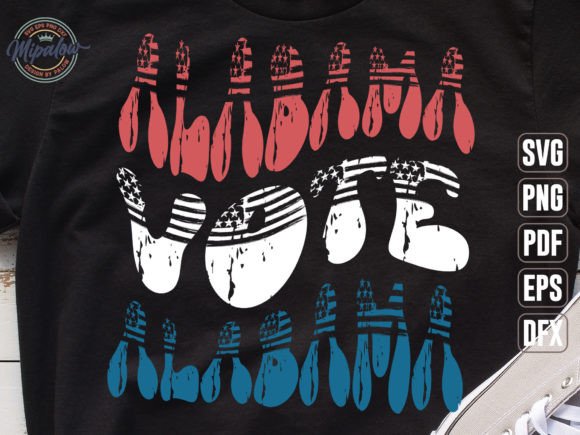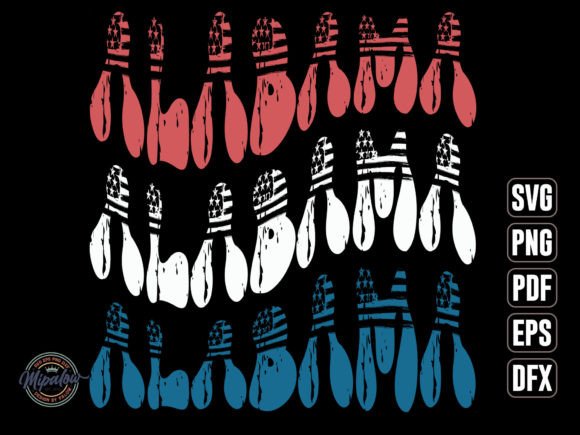
Alabama State Vintage SVG Sublimation
A Designer’s First Look: Charm, Clarity, and Craftsmanship
When I opened Alabama State Vintage Svg Sublimation, I wasn’t scanning for flashy fonts or over-polished mockups—I was checking for *embroiderability*. Does the silhouette hold up at 3” wide on a baby onesie? Will the state outline read clearly in satin stitch on a textured linen tea towel? Is the vintage treatment subtle enough to feel handmade, not clip-art? The answer, after laying it over several fabric swatches and testing it in my embroidery software, is yes—this design carries quiet confidence. It’s clean-lined but warm, detailed without being fussy, and built with the rhythm of real stitching in mind—not just screen display.
Where This Design Truly Shines
I recently prepped a small-batch run of embroidered cotton tote bags for a local boutique’s “Southern Made” collection—and Alabama State Vintage Svg Sublimation became the anchor motif. Positioned just below the shoulder strap on natural canvas, it stitched out cleanly with minimal puckering. The state shape holds its integrity even at 2.5”, and the vintage styling (soft edges, gentle curve accents) translated beautifully into fill stitch and satin border work. It also worked well as a centered chest motif on unisex sweatshirts—especially when paired with tonal thread (navy on charcoal, kraft brown on oatmeal). For Etsy sellers or craft fair vendors, this is a strong candidate for personalized gifts: think monogrammed baby blankets with a tiny Alabama outline beside the name, or holiday kitchen towels where the design reads as heritage, not hype.
Real-World Embroidery Considerations
This isn’t a one-size-fits-all machine embroidery design—but that’s a strength, not a flaw. Its moderate detail level means it performs reliably across common substrates: medium-weight cotton, twill, denim, and even lightweight felt for patches. I tested it on a curved cap front using light tear-away stabilizer and found the outer contour held well—no stretching or distortion. That said, avoid pushing it too small: under 1.75” starts to blur the state’s recognizable shape, especially around the Gulf Coast curve and northern border. On stretchy knits or thin rayon blends, use cut-away stabilizer and reduce stitch density slightly in the software preview—those inner curves can bunch if overstuffed.
Dark fabrics demand attention here. The vintage aesthetic relies on subtle contrast, so rich black or navy backgrounds need either cream, ecru, or light gray thread—not stark white—to preserve warmth. And while it’s labeled for sublimation, remember: as an embroidery file, it’s the *outline and internal structure* that matter most. Don’t assume the “vintage” effect will auto-translate—you’ll need thoughtful thread selection and stitch type choices (e.g., matte poly for authenticity over glossy rayon).
What It Adds to Your Finished Product
Customers don’t buy state shapes—they buy meaning. Alabama State Vintage Svg Sublimation delivers recognition without shouting. It feels personal, not promotional. That matters whether you’re stitching a graduation gift for a University of Alabama grad or creating custom aprons for a Birmingham coffee roaster. The design supports brand consistency for small shops: it’s distinctive enough to stand alone, neutral enough to pair with logos or typography, and timeless enough to avoid dating your inventory. I’ve seen similar motifs fall flat when overly ornate or cartoonish—this one avoids both traps. It reads as hand-drawn, not algorithm-generated, which builds trust in your handmade product.
Practical Notes Every Embroidery Designer Should Check
- Test first. Run a sample on scrap fabric matching your final substrate—especially if using textured weaves or layered garments like reversible totes.
- Review stitch density. While not specified in the listing, the visual weight suggests moderate fill. If your machine flags high-density zones, adjust in your editing software before hooping.
- Confirm hoop size compatibility. At standard scaling (2.5–3”), it fits comfortably in a 4×4 hoop—but always verify your own machine’s limits before production.
- Inspect small details. Zoom in on corners and interior cutouts (like the Mobile Bay indentation). These areas may need slight cleanup for smooth satin stitching.
- Mock it in context. Drop the design into printable mockups on light and dark apparel—then step back. Does it read at arm’s length? Does it balance with other elements (like text or borders)?
- Check licensing. Since this is a digital embroidery file listed under Crafts and Graphics, confirm whether commercial use is permitted before selling finished embroidered items or bundling it into design assets for resale.
A Thoughtful Fit for Creative Entrepreneurs
If you’re an Etsy seller building a Southern-themed shop, a small-batch apparel decorator, or a maker launching a line of nursery decor, Alabama State Vintage Svg Sublimation offers more than visual appeal—it offers versatility with intention. It doesn’t dominate a garment; it complements it. It doesn’t scream trend; it settles in like a well-worn story. That’s rare in digital embroidery files, where clarity often sacrifices character—or vice versa. Used thoughtfully—with attention to fabric, stabilizer, thread, and scale—it becomes part of something bigger: a personalized gift that feels rooted, a boutique product that feels curated, a custom apparel piece that feels authentically made.
Final Takeaway: Design With Purpose
This isn’t just another state outline. It’s a quiet, confident piece of design assets—crafted for real embroidery projects, real customers, and real small business needs. Whether you’re stitching a single holiday pillow cover or prepping fifty embroidered caps for a craft fair, Alabama State Vintage Svg Sublimation earns its place in your library by doing what great embroidery designs should: disappearing into the product, while making it unmistakably yours.