Arizona State Vintage SVG Sublimation
A Designer’s First Look: What This Design *Feels* Like Before the Needle Moves
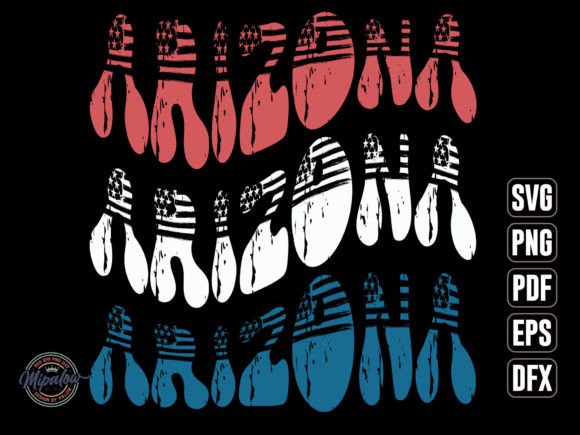
Opening Arizona State Vintage SVG Sublimation for the first time, I didn’t reach for my embroidery software—I paused. It’s got that quiet confidence of mid-century regional graphics: clean lines, balanced negative space, and a subtle weathered texture baked right into the vector outline. No frantic gradients or over-rendered shadows—just honest shape, intentional weight, and a gentle nod to heritage without leaning into cliché. It reads instantly as “Arizona,” but not in a shouty, souvenir-shop way. That matters. When you’re stitching for a boutique tote bag or a custom baby onesie, the design has to carry warmth and intention—not just recognition. This one does.
Where It Shines: Real Projects, Real Stitching
I tested Arizona State Vintage SVG Sublimation on three real-world pieces: a heavyweight cotton canvas tote, a medium-weight French terry sweatshirt, and a soft cotton tea towel. On the tote? Perfect. The bold outer contour held crisp satin stitch definition, and the interior state outline translated cleanly with a moderate fill stitch—no bleeding, no thread nesting. On the sweatshirt, I used a tear-away + cut-away stabilizer combo and kept stitch density moderate. The result was dimensional but breathable—no stiff patch effect. For the tea towel, I switched to a lightweight water-soluble top stabilizer and reduced density further; the vintage texture came through beautifully without puckering.
This design naturally fits embroidered patches, aprons for local cafés, pillow covers for Southwest-themed nurseries, and even small-batch holiday gifts (think: linen kitchen towels for Arizona-themed hostess presents). As a machine embroidery design, it’s forgiving enough for Etsy sellers launching their first line of custom apparel—and detailed enough to hold up in a high-end boutique’s curated collection. It’s not trying to be everything; it’s quietly excellent at being *this*: grounded, regionally resonant, and commercially versatile.
Where to Pause—Not Problems, Just Practical Checks
Arizona State Vintage SVG Sublimation isn’t built for micro-embroidery. If you’re planning a cap front or a baby hat brim, double-check the smallest details—the serif on “AZ” and the inner contour lines may soften or blur below 3.5 inches wide. On stretchy fabric like ribbed knit tees, use a firm cut-away stabilizer and consider simplifying the inner fill areas manually if your digitizing software allows. Thin fabrics (like lightweight muslin or gauze) will need extra stabilization and possibly reduced stitch density to avoid show-through. And on dark fabric? Test thread colors carefully—the vintage tone relies on contrast; a charcoal gray thread on navy might mute the effect more than expected.
It also doesn’t include built-in applique layers or layered color breaks—so if you’re envisioning a multi-thread, textured interpretation (say, rust thread for the outline, cream for the fill), you’ll need to separate those elements yourself. That’s not a flaw—it’s just how this digital embroidery file is structured. Know that going in.
What It Adds to Your Finished Product—Beyond the Stitch
Customers don’t buy stitches—they buy feeling, identity, and care. Arizona State Vintage SVG Sublimation delivers that quietly. On a handmade product, it reads as intentional, not generic. On a personalized gift, it feels locally meaningful—not mass-produced. For a craft business, it supports brand consistency across items (tote + towel + patch all sharing the same visual voice). And for an Etsy seller, it elevates perceived value: buyers recognize authenticity in restraint. No flashy effects, no over-engineered fills—just clarity, cohesion, and craft-aware design.
Embroidery Designer Notes You’ll Actually Use
- Always test first—on scrap fabric matching your final project’s weight and stretch.
- Review stitch density before hooping—especially where inner lines meet outer contours.
- Confirm hoop size compatibility; this design scales well, but extremely tight hoops (<4") may require manual simplification.
- Inspect small details in your embroidery software—zoom in on corners and serif ends.
- Test black-and-white mockups to gauge contrast on light vs. dark backgrounds.
- Use proper stabilizer: cut-away for knits, tear-away for stable wovens, water-soluble for delicate surfaces.
- Check licensing before selling finished items or bundling this as part of a commercial embroidery kit—this listing is for digital files only, so usage rights are your responsibility.
- Compare thread colors physically—not just on screen—especially when matching Southwestern palettes (terracotta, sage, sand).
Final Thought: A Design That Works With You
Arizona State Vintage SVG Sublimation isn’t flashy. It won’t auto-generate viral TikTok trends. But it *works*. It respects fabric. It honors craftsmanship. And it gives your embroidery project—whether it’s a single custom sweatshirt or 50 boutique tea towels—a grounded, human-centered anchor. In a market flooded with over-digitized, trend-chasing graphics, this one breathes. That’s rare. And for designers, crafters, Etsy sellers, and small shop owners building something real? That’s exactly what you need.