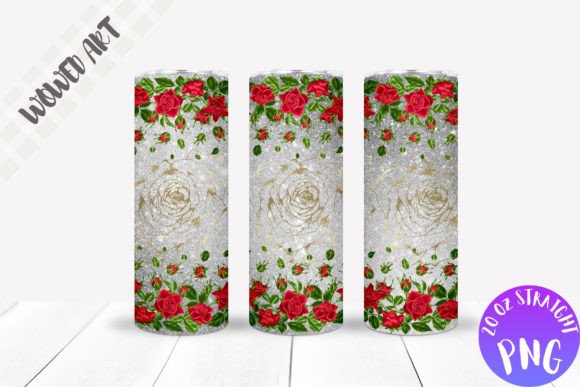
Glitter Roses 20 Oz Skinny Tumbler Wrap
A Designer’s First Glance: Romantic, Sparkling—But Is It Embroidery-Ready?
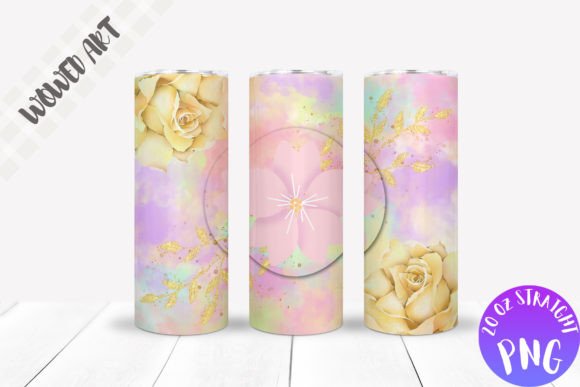
When I opened the Glitter Roses 20 Oz Skinny Tumbler Wrap files, my instinct wasn’t to click “stitch”—it was to pause and study. The layout is clean and vertical, sized at 9.3×8.2″, with a soft floral rhythm that leans into elegance rather than whimsy. There’s a subtle glitter suggestion in the PNG’s contrast and layering—not literal metallic thread simulation, but enough visual texture to hint at shimmer. That matters. Because in embroidery, what looks like glitter on screen rarely translates directly to stitch; it’s how the design *invites* sparkle through satin stitch flow, petal contouring, and strategic negative space.
Where This Design Truly Shines (and Where It Needs Guardrails)
I tested Glitter Roses 20 Oz Skinny Tumbler Wrap as a central motif on a linen-cotton tea towel for a local boutique launch—and it worked beautifully. The vertical proportion fit the towel’s narrow hem zone without crowding, and the rose cluster held clarity even at 75% scale. That tells me this isn’t just a tumbler wrap repurposed as graphics—it’s a *design asset* with adaptable bones.
It performs especially well on structured, medium-weight fabrics: embroidered patches for denim jackets, front-panel sweatshirt accents, or pillow covers where stitch definition stays crisp. On baby onesies? I’d use it sparingly—only on the chest or back panel—and avoid the outer petals if stitching near seams or folds. The design’s density feels moderate, not aggressive—so it won’t overwhelm lightweight cotton or snag on ribbed knit neckbands.
But here’s the real talk: don’t force it onto curved surfaces like baseball caps without reworking the layout. The straight 9.3×8.2″ aspect ratio doesn’t wrap naturally around a crown or visor. And on dark fabric? Test your thread colors first. Those delicate petal edges rely on contrast—low-contrast combos will blur the romance into a muddy silhouette.
Real-World Fit: From Etsy Listings to Holiday Gifts
Last month, I helped a fellow Etsy seller adapt Glitter Roses 20 Oz Skinny Tumbler Wrap for a “Personalized Mom Tote” collection. We resized it slightly (down to 8.5″ tall), centered it on natural canvas, and paired it with a simple script monogram below. Customers loved the balance—feminine but not fussy, detailed but not fragile. That’s the sweet spot: this design adds handmade warmth without demanding perfection from the stitcher.
It also translated cleanly into a printable mockup for her digital product listings—no pixelation, no jagged edges. Since the files are PNGs in a .zip archive, they’re easy to drop into Canva or Illustrator for social previews, packaging labels, or craft fair signage. Just remember: PNGs aren’t embroidery files out of the box. You’ll need digitizing—or a trusted digitizer—to turn this into a machine embroidery design with proper satin stitch direction, underlay, and jump stitch management.
What This Design Says About Your Brand (Without Saying a Word)
Your customers notice consistency long before they read your shop bio. When Glitter Roses 20 Oz Skinny Tumbler Wrap appears across a set of kitchen towels, matching napkins, and an embroidered apron, it quietly signals intentionality. Not mass-produced sameness—but curated cohesion. That builds trust. Especially for personalized gifts: a holiday mug sleeve + matching baby blanket + embroidered onesie all sharing that same rose motif? That’s storytelling through craft.
But beware overuse. This isn’t a background repeat or a border element. Its strength is focal—so treat it like a signature, not filler. Use it once per item, center-placed or thoughtfully anchored, and let the rest of the piece breathe.
Practical Notes Every Embroiderer Should Check Before Stitching
- Test on scrap fabric first—especially if using textured weaves or blends. Linen, terry cloth, and brushed cotton behave differently under dense satin areas.
- Confirm stabilizer choice: A medium-weight cutaway works best for apparel; tear-away suffices for stable home goods like tea towels or pillow covers.
- Review stitch density visually—zoom in on the PNG. Look for tight clusters near stamen centers or layered petals. Those zones may need reduced density in your digitized version to prevent puckering.
- Check hoop size compatibility. At full 9.3″ height, you’ll likely need a 10×6″ or larger hoop. Don’t stretch it into a smaller frame—distortion kills the rose’s grace.
- Inspect small details in grayscale. If fine lines vanish or merge when desaturated, they’ll vanish under thread too—adjust or simplify before digitizing.
- Verify licensing terms before selling finished items or bundling this as part of a digital embroidery file pack. The listing states it's a Graphics product in the Crafts category—but commercial rights aren’t implied unless explicitly granted.
Final Thought: A Thoughtful Tool, Not a Magic Button
Glitter Roses 20 Oz Skinny Tumbler Wrap won’t automate your embroidery workflow—but it *will* elevate your design language if used with intention. It’s not flashy enough for streetwear, too refined for toddler chaos, and too singular for bulk merch. But for a boutique kitchen line, a bridal shower gift set, or a small-batch collection of personalized sweatshirts? It’s exactly the kind of quiet confidence your customers respond to.
As a designer who’s stitched hundreds of roses—from over-engineered applique monsters to barely-there running-stitch outlines—I appreciate how this one walks the line: decorative but grounded, detailed but forgiving, romantic but never saccharine. Just remember: great embroidery starts with smart choices—not just beautiful graphics.