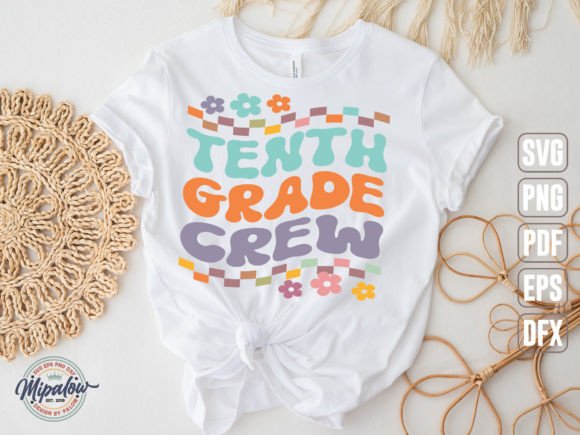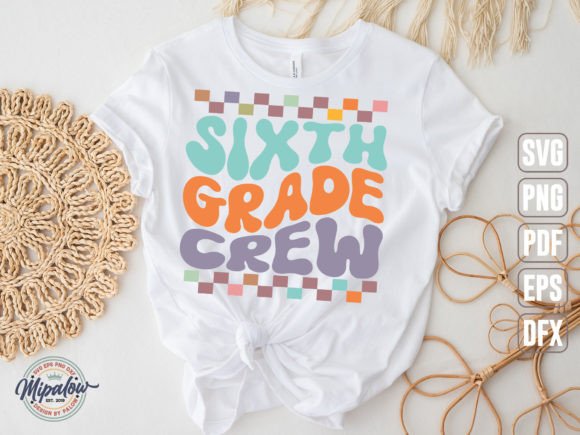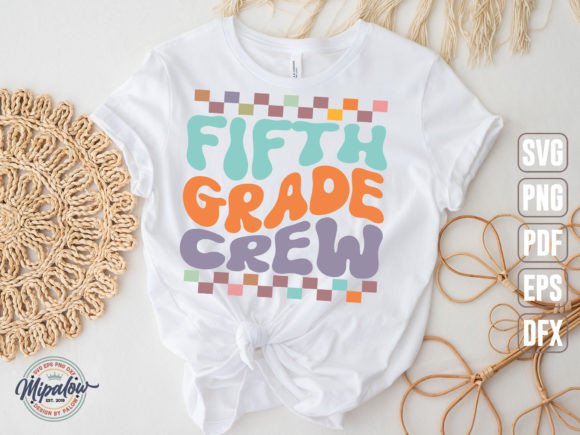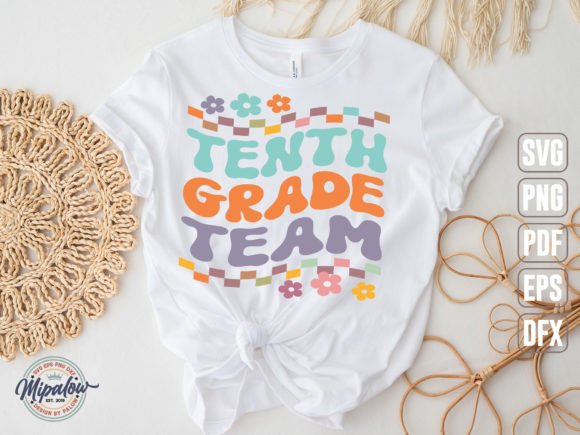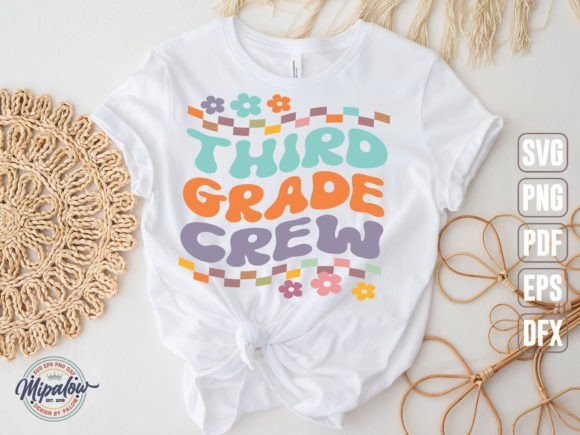
Third Grade Crew SVG, Wavy Text
As someone who’s digitized, stitched, and sold hundreds of embroidery designs—ranging from nursery decor to boutique apparel—I opened Third Grade Crew Svg, Wavy Text expecting cheerful energy. What I found was a design that leans hard into playful nostalgia without tipping into cutesy overload. The wavy baseline gives it motion and softness; the letterforms are rounded but legible, with just enough personality to feel handmade—not algorithmically generated. It’s not a bold statement piece, nor is it minimalist. It lives in that sweet spot: friendly, school-day warm, and quietly confident.
A Real-World Test: Embroidering a Teacher Appreciation Tote Bag
Last week, I used Third Grade Crew Svg, Wavy Text on a natural canvas tote for a local teacher appreciation pop-up. The goal? A gift that felt personal but polished—something a parent could hand over without worrying it looked like a last-minute craft fair afterthought. I chose a medium-weight cotton canvas, medium tear-away stabilizer, and a soft navy thread on cream fabric. The result? Clean, approachable, and unmistakably handmade—but not sloppy. The wave wasn’t exaggerated in stitch, which kept the text readable at 3.5 inches wide. No puckering, no thread breaks, no need to re-hoop. That’s the sign of a well-proportioned machine embroidery design: it behaves.
Where This Design Shines (and Where It Needs Thought)
Third Grade Crew Svg, Wavy Text works beautifully on:
- Custom apparel—especially crewnecks, sweatshirts, and relaxed-fit tees where the wave echoes natural drape;
- Tote bags and pillow covers, where its gentle rhythm complements casual, everyday use;
- Baby embroidery on onesies or burp cloths—its soft edges avoid harsh contrast against delicate skin;
- Holiday embroidery on kitchen towels or aprons for back-to-school or end-of-year teacher gifts;
- Small shop products like embroidered patches or iron-ons for boutique branding—its scale adapts well to 2–4 inch placements.
But here’s what I watched closely—and what you should too:
- Small hoop sizes: At under 3 inches wide, the wave compresses. Letter spacing tightens, and subtle curves can flatten. If you’re stitching on a child’s cap or tiny bib, test first—even minor distortion affects readability.
- Textured or stretchy fabric: On ribbed knit or jersey, the wave can exaggerate tension issues. Use cut-away stabilizer and reduce top tension slightly. Don’t assume it’ll behave the same way on a t-shirt as it does on canvas.
- Dark fabric: The design relies on shape, not heavy fill. On black or navy, lighter thread colors (cream, light gray, soft yellow) read better than stark white—unless you want high contrast. Always test thread color contrast before committing.
- Dense stitch areas: There’s no heavy satin stitch outlining or dense fill behind letters—just clean, open letterforms. That’s great for breathability on baby items, but means it won’t “pop” on fuzzy fleece without careful stabilizing.
What It Adds to Your Finished Product
This isn’t just text—it’s tone. Third Grade Crew Svg, Wavy Text adds warmth without sentimentality, professionalism without stiffness. When stitched on a handmade product, it signals care—not perfection. Customers notice that difference. A parent buying a personalized gift for their child’s teacher doesn’t want something generic; they want sincerity with polish. This design delivers that. It supports brand consistency for Etsy sellers who curate cohesive collections—think matching tea towels, totes, and baby blankets all sharing that same gentle rhythm.
It also builds trust. Because the wave is subtle—not cartoonish—it reads as intentional, not automated. Buyers scroll past dozens of “cute” fonts daily. This one stands out by being *considered*. That translates directly to higher perceived value, stronger buyer engagement, and repeat orders when customers recognize your aesthetic across listings.
Practical Embroidery Designer Notes
Before you load Third Grade Crew Svg, Wavy Text into your machine or list it in your shop:
- Test on scrap fabric first—especially if using textured, dark, or stretchy material;
- Review stitch density: It’s likely moderate (no dense fills), but confirm how your machine interprets the file—some digitizers embed tighter runs than others;
- Confirm hoop size compatibility: If you only have small hoops, check the widest point of the wave before hooping;
- Inspect small details: Look for tight corners or thin stems in letters like “g” or “y”—they may require slight manual cleanup in your embroidery software;
- Test in black-and-white mockups: Does it hold up on both light and dark backgrounds? Does the wave still read clearly in grayscale?
- Use proper stabilizer: Medium tear-away works for most cottons; switch to cut-away for knits or unstable weaves;
- Check licensing: Since this is a digital embroidery file listed under Crafts and Graphics, verify whether commercial use is permitted before selling finished embroidered items or bundling it in design assets.
One final note: Third Grade Crew Svg, Wavy Text doesn’t try to be everything. It’s not a script font for wedding monograms. It’s not a bold display for sports team gear. Its strength is specificity—it belongs to moments of quiet celebration: first days of school, classroom milestones, handmade gratitude. That focus makes it reliable, versatile in context, and genuinely useful for craft business owners who build collections around real-life meaning—not just trends.
If you’re choosing embroidery file assets for client work, seasonal launches, or Etsy listings, this one earns its place—not because it’s flashy, but because it stitches cleanly, reads warmly, and feels like it belongs.