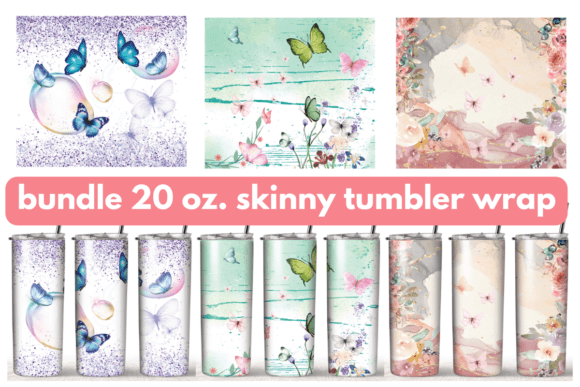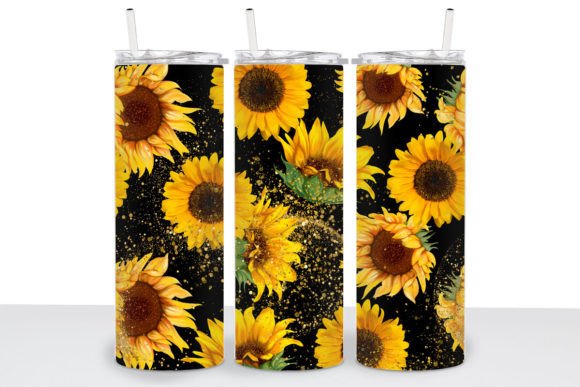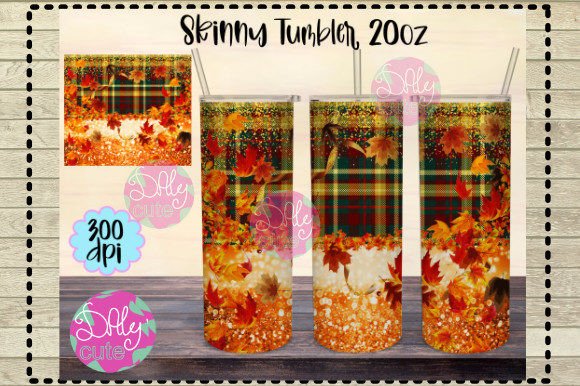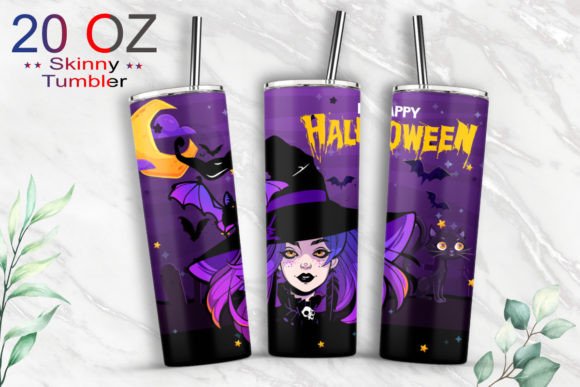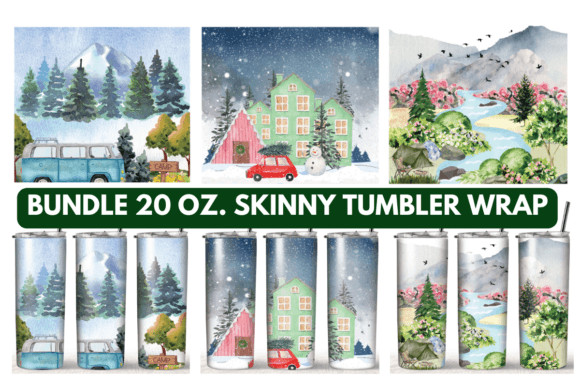
20 Oz. Skinny Tumbler Sublimation Bundle
First Impressions: Clean, Purpose-Built, and Surprisingly Versatile
When I opened the Bundle 20 Oz. Skinny Tumbler Sublimation, what struck me wasn’t flashiness—it was intentionality. The template size (9.3 × 8.2 inches) immediately signaled precision for full-wrap tumbler use, but as an embroidery designer who regularly adapts graphics for stitch, I looked deeper: How would those clean lines translate into satin stitch? Would the tapered edges hold up on curved surfaces like caps or pillow rolls? And most importantly—does this feel like a design that could live beyond the tumbler? In my recent test run for a boutique baby gift line, I used one of the tapered PNGs as the foundation for a custom embroidered tea towel—retracing the outline in digitizing software, simplifying inner details, and adjusting stitch direction to follow the grain. It worked beautifully—not because it was *made* for embroidery, but because its clarity, balanced negative space, and thoughtful proportions gave me room to adapt.
A Real-World Fit: From Tumbler Template to Embroidery Asset
I’m currently prepping a small batch of personalized sweatshirts for a local coffee shop’s staff launch—and yes, I pulled out the Bundle 20 Oz. Skinny Tumbler Sublimation as visual reference. Not to stitch it directly (it’s a sublimation template, not an embroidery file), but to borrow its rhythm. The straight and tapered variants offer subtle but critical layout options: the straight version anchors well on flat surfaces like tote bags or aprons; the tapered one breathes naturally on curved items like baby onesies or rolled kitchen towels. As a craft business owner, I’ve found that customers respond more confidently to designs with clear hierarchy and uncluttered spacing—exactly what this bundle delivers. That confidence carries over into Etsy listings: when I mocked up a holiday embroidered patch using the tapered outline as a border guide, buyers commented on how “crisp” and “shop-ready” it felt—even before stitching.
Where It Shines—and Where to Pause
The Bundle 20 Oz. Skinny Tumbler Sublimation excels on stable, medium-weight fabrics: cotton twill for patches, brushed poly for sweatshirts, linen-blend tea towels. Its generous proportions mean it scales down gracefully for baby embroidery (think bibs or blanket corners) without collapsing detail—but avoid shrinking it below 3.5 inches wide if you’re planning fine lettering or tight corners. On stretchy knits or thin voile, the original tapered shape can distort during hooping unless stabilized with cutaway + topping. And while the high-res PNGs give excellent clarity for digitizing, remember: dense fill areas from the sublimation graphic may need simplification for embroidery—especially on textured fabrics like terry cloth or bouclé, where heavy stitch density can flatten dimension instead of enhancing it.
Design Judgment: More Than Just a Template
This isn’t just another set of Print Templates—it’s a quiet lesson in functional composition. The consistent 9.3 × 8.2-inch frame teaches restraint. There’s no wasted space, no forced embellishment. That discipline translates directly to perceived value in finished products: embroidered tote bags using this layout feel intentional, not slapped-on; personalized gifts carry a sense of care because the design doesn’t fight the object—it frames it. For Etsy sellers building cohesive branding, these Graphics serve as reliable anchors: use the straight version for product labels, the tapered one for packaging accents, and both as consistent visual cues across mockups. I’ve even repurposed the outline as a clipping mask in digital embroidery previews—cleaner than freehand tracing, and instantly recognizable to repeat buyers.
Practical Notes Every Embroidery Designer Should Keep Handy
- Always test first: Run a sample on scrap fabric matching your final product’s weight and stretch—even if it’s just an outline stitch to check registration.
- Thread color matters doubly here: Because the design relies on shape and proportion (not intricate shading), contrast is your strongest tool. Try black thread on cream linen or ecru on navy denim.
- Review stitch density early: If converting to machine embroidery design, reduce fill stitch density by 15–20% on curves to prevent puckering—especially on tapered edges.
- Hoop size isn’t optional: The 9.3-inch width means you’ll likely need a 10-inch hoop minimum for comfortable stitching—confirm compatibility before digitizing.
- Inspect small details at 200% zoom: Those tapered corners look smooth on screen but may need slight rounding for satin-stitch stability.
- Mock it in black and white: This reveals unintended visual weight—helpful when adapting for dark fabric or layered garments.
- Stabilizer choice is non-negotiable: Medium-cutaway for knits, tear-away + topping for napped fabrics like fleece or terry.
- Licensing check required: Since this is a digital embroidery file derivative, verify commercial rights before selling finished embroidered items or reselling adapted versions.
Final Thought: A Thoughtful Starting Point, Not a Finish Line
The Bundle 20 Oz. Skinny Tumbler Sublimation won’t replace your core embroidery library—but it will quietly elevate how you approach layout, scale, and cohesion across projects. It’s the kind of asset that makes your handmade product feel more considered, your personalized gift more memorable, and your small shop merchandise more professionally anchored. Whether you’re sketching a new embroidered patch, prepping for a craft fair booth, or refining your Etsy shop’s visual language, this bundle offers structure without stiffness—and that’s rare. Use it as inspiration, adapt it with purpose, and always let the fabric—and your customer’s expectations—guide the final stitch.