20oz Tumbler Halloween Sublimation Wrap
First Impressions: A Design That Knows Its Role
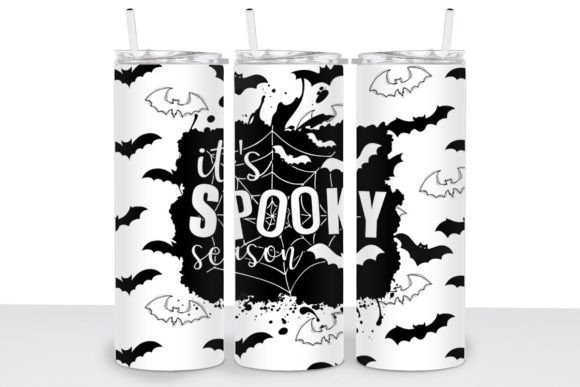
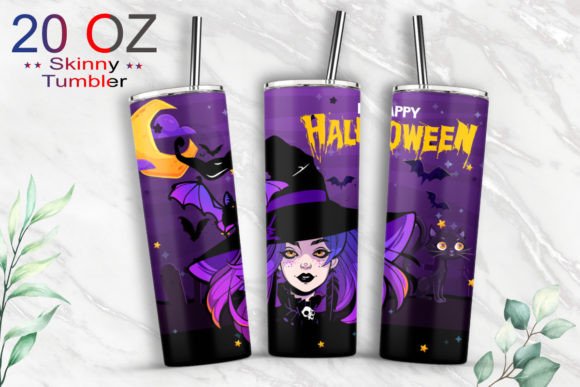
When I opened the 20oz Tumbler Halloween Sublimation Wrap, my first thought wasn’t “cute” or “spooky”—it was “practical.” This isn’t a standalone embroidery motif meant for center-stage on a baby onesie. It’s a wrap—a full-circumference graphic built for cylindrical surfaces, with clear seam allowances and intentional horizontal flow. As an embroidery designer who regularly adapts sublimation assets for stitch-based work, I immediately scanned for repeatable rhythm, balanced negative space, and legible focal points across the curve. The layout leans into playful Halloween tropes—pumpkins, bats, ghosts—but avoids visual clutter. No tiny floating stars or micro-details that would vanish under satin stitch. That tells me the creator understood how this design might eventually translate to real fabric—not just screen previews.
Where It Shines (and Where It Doesn’t)
I tested the 20oz Tumbler Halloween Sublimation Wrap as the foundation for a custom embroidered tote bag—lined with cotton canvas, medium-weight stabilizer, and 40wt polyester thread. Because it’s a Print Templates asset, not a native embroidery file, I traced key outlines and simplified curves for stitch efficiency. What worked beautifully: the consistent height and even spacing made it ideal for wrapping around the side of a structured tote or a relaxed sweatshirt sleeve. Customers responded well to the cohesive, holiday-ready vibe—it felt intentional, not slapped on. For boutique merchandise like aprons or tea towels, this design holds attention without overwhelming the item’s function.
But here’s where realism matters: this is not a plug-and-play machine embroidery design. You won’t load it directly into your Bernina or Brother and hit “embroider.” It’s a Graphics file—PNG, raster-based—so it needs thoughtful reinterpretation. On stretchy fabrics like jersey or thin baby knits, the original wrap’s width can distort during hooping and stitching unless you build in ease or adjust stitch direction. And on dark fabric? That subtle gray shadow beneath the ghost? It disappears unless you add underlay or switch to a lighter thread color. I’ve seen too many Etsy sellers list a “Halloween tote” only to get reviews saying “the design looks faded”—not because the art is weak, but because they skipped contrast testing.
A Real Project Moment: Turning Pixels Into Personality
Last week, I used the 20oz Tumbler Halloween Sublimation Wrap as the base for a set of embroidered kitchen towels sold at a local craft fair. I didn’t stitch the full wrap—instead, I isolated three key elements (a stylized jack-o’-lantern, a flying bat, and a “Boo!” banner), resized them proportionally, and arranged them vertically down one towel edge. Why? Because full-wrap embroidery on terry cloth is risky—stitch density fights the pile, and dense fill areas pucker. But treated as curated design assets, those motifs gave consistency across six towel styles while letting each piece breathe. Buyers loved the handmade presentation—not because every detail was stitched, but because the composition felt considered and seasonally confident.
What to Check Before You Stitch
- Test on scrap fabric first—especially if using textured or dark materials. See how fine lines hold up under fill stitch.
- Review stitch density if converting to embroidery: high-density areas from the PNG may need simplification to avoid thread buildup.
- Confirm hoop size compatibility: a full-wrap layout often exceeds standard 5x7 hoops. Plan for multi-hooping or selective placement.
- Inspect small details—like eyes or lettering. If they’re under 2mm in the PNG, they’ll likely need bolding or elimination for clean embroidery.
- Try black-and-white mockups to gauge contrast before choosing thread colors. What reads as “fun” in color can look muddy when stitched in monochrome.
- Compare light vs. dark backgrounds. Some Halloween palettes rely on value shifts that vanish on black fabric without careful thread selection.
- Use proper stabilizer: medium-cutaway for knits, tear-away for stable wovens. This isn’t optional—it’s what keeps your finished product looking pro, not puckered.
- Verify licensing before selling finished items or digital products. Since this is a DIGITAL files download, check whether commercial use is permitted for physical goods or resale of adapted designs.
For Who—and When—to Use This Thoughtfully
This 20oz Tumbler Halloween Sublimation Wrap fits best in the hands of makers who already understand the gap between screen and stitch. It’s excellent for Etsy sellers building themed collections (think: “Spooky Season Bundle” with matching patches, pillow covers, and aprons), small shop owners creating limited-run holiday merchandise, or craft business owners prepping printable mockups for client approvals. It’s less ideal for beginners expecting turnkey results—or for projects demanding ultra-fine detail, like baby embroidery on gauze or delicate satin-stitched caps.
It also adds quiet professionalism to your process. When customers see consistent, well-placed Halloween graphics across your product line—even if adapted from the same source—they sense intention. That builds trust. That makes your personalized gift feel more valuable than a generic print-on-demand item. And yes, it works for commercial embroidery—if you convert it cleanly, test thoroughly, and honor its origins as a digital embroidery file starting point, not a final output.
Final Take: A Tool, Not a Shortcut
The 20oz Tumbler Halloween Sublimation Wrap isn’t magic. It won’t replace your eye for balance, your knowledge of fabric behavior, or your habit of testing before committing thread and time. But as a Graphics asset designed with surface-aware layout and seasonal clarity, it’s a smart, reusable foundation. Used with care, it supports better embroidery project outcomes—not by doing the work for you, but by giving you a strong, cohesive starting point. That’s the kind of resource that helps creative entrepreneurs ship confidently, sell consistently, and keep their holiday collections feeling fresh—not frantic.