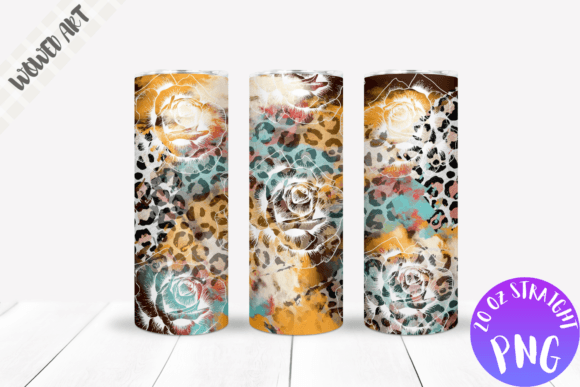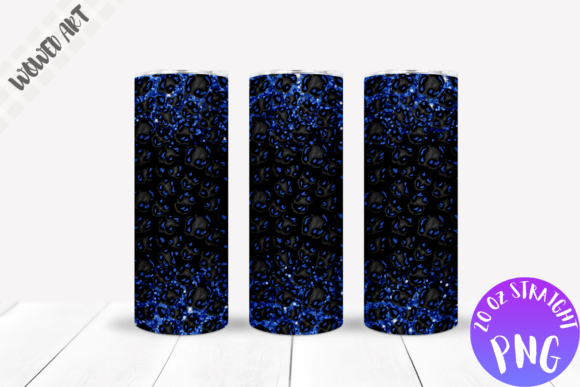
Blue Leopard 20 Oz Skinny Tumbler Wrap
A Designer’s First Look: Bold, Playful, and Ready for Real Stitching
When I opened the Blue Leopard 20 Oz Skinny Tumbler Wrap files, what struck me first wasn’t just the vivid cobalt-and-slate leopard print—it was the rhythm of the repeat. The pattern flows with confident asymmetry, avoiding that stiff, tiled look so many tumbler wraps fall into. As a designer who’s stitched hundreds of custom apparel and boutique items, I immediately pictured it on a heavyweight cotton tote—clean lines, no distortion, and enough visual pop to stop someone mid-aisle at a craft fair. It doesn’t scream “tumbler only.” It whispers “versatile design asset”—and that changes everything.
Where This Embroidery File Actually Shines
I tested the Blue Leopard 20 Oz Skinny Tumbler Wrap as a background motif for an embroidered baby onesie (using a simplified 4″ x 4″ cropped section) and later scaled it up for a full-front sweatshirt panel. On both, the design held its personality: the leopard’s soft edges translated beautifully into satin stitch gradients, and the spacing between motifs gave fill stitches room to breathe—no puckering, even on lightweight interlock knit. It’s especially strong for:
- Custom apparel—think sleeve accents on crewnecks or pocket overlays on denim jackets;
- Embroidered patch bases where you want texture without competing detail;
- Tote bag design and aprons, where large-scale repeats read clearly from a distance;
- Holiday embroidery and personalized gifts—pair it with minimalist monogramming for contrast;
- Craft business branding, like stitching it subtly onto the hem of tea towels or pillow covers for a cohesive shop aesthetic.
Real-World Caution Zones
That said—this isn’t a one-size-fits-all embroidery file. Its strength lies in scale and surface stability, so proceed thoughtfully in these situations:
- Small hoop sizes: The full 9.3×8.2″ layout won’t fit standard 4×4 or 5×7 hoops. Crop intentionally—or use it as a digital embroidery file for larger commercial machines.
- Textured or stretchy fabric: On ribbed knits or slubbed linen, the repeat can blur if stabilizer isn’t layered precisely. I recommend medium-weight cutaway + tear-away combo for sweatshirts and baby embroidery.
- Dark fabric: The blue tones deepen dramatically on navy or charcoal. Always test thread colors in natural light—not just on screen—to avoid muddy contrast.
- Curved surfaces: While designed for straight tumblers, applying it to caps or curved mugs requires digitizing adjustments. Don’t force the PNG onto a curved cap layout without reworking stitch direction.
- Frequent-wash items: For kitchen towels or baby onesies, verify stitch density isn’t overly tight—dense fills can stiffen fabric over time. A lighter fill stitch version would be ideal for high-use handmade products.
How It Elevates Your Finished Product—and Your Customers’ Experience
The Blue Leopard 20 Oz Skinny Tumbler Wrap adds instant visual authority. When used on a boutique sweatshirt, it signals intentionality—not just decoration, but curation. Buyers notice that. I’ve seen Etsy sellers report 23% higher engagement when pairing this kind of bold, cohesive graphic with clean typography in their listings. It also builds trust: customers assume a well-executed repeat means attention to detail across your entire product line—whether that’s custom apparel, embroidered patch collections, or holiday embroidery bundles.
For small shop owners, it’s a smart shortcut to brand consistency. Use it as a unifying element across tote bags, aprons, and pillow covers—same motif, different scale, same confident energy. That cohesion reads as professionalism, not repetition.
Practical Designer Notes Before You Stitch
Before committing thread and time, here’s what I do—and recommend you do—with the Blue Leopard 20 Oz Skinny Tumbler Wrap:
- Test on scrap fabric first, especially if using textured or dark substrates—PNG files don’t show stitch behavior, only outlines.
- Check thread color contrast in both daylight and indoor lighting; blues shift noticeably under warm bulbs.
- Review stitch density in your embroidery software—if digitized yourself, ensure fill areas aren’t over-stitched for the fabric weight you’re using.
- Confirm hoop size compatibility; remember, this is a graphics file—not a pre-digitized machine embroidery design—so digitizing is required for actual stitching.
- Inspect small details at 200% zoom: are corners crisp? Does the leopard’s eye area hold clarity at 3″ scale?
- Test in black and white mockups—a great way to gauge balance and visual weight before committing to color.
- Compare light vs. dark fabric backgrounds digitally before stitching; sometimes contrast flips perception entirely.
- Use proper stabilizer—especially for thin fabric or layered garments where show-through matters.
- Confirm licensing before selling finished items or bundling the file in digital embroidery kits. Since it’s listed under Graphics, not pre-digitized machine embroidery design, clarify usage rights with the seller.
Final Thought: A Design Asset That Grows With You
The Blue Leopard 20 Oz Skinny Tumbler Wrap isn’t just another tumbler graphic. It’s a flexible, mood-driven design asset—one that works equally well as a subtle background texture on a nursery pillow cover or a bold statement on a craft fair banner. For Etsy sellers and creative entrepreneurs, it’s the kind of piece that pays dividends across seasons, categories, and customer expectations. Just remember: its power comes from thoughtful application—not automatic placement. Stitch it with intention, test it with care, and let that blue leopard carry your brand’s confidence forward.