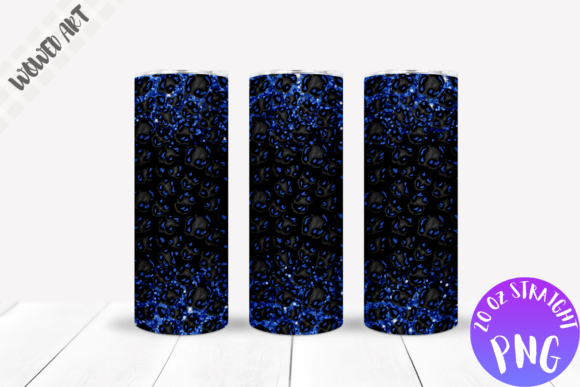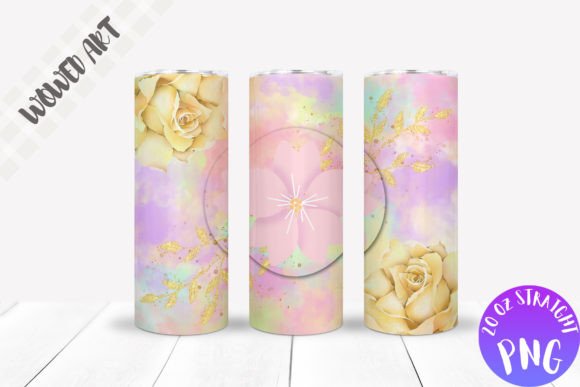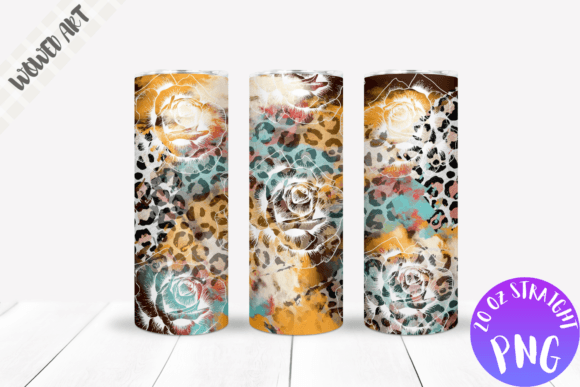
Rose X Leopard 20 Oz Skinny Tumbler Wrap
First Impressions: Bold, Playful, and Ready for Real Stitching
As a designer who’s stitched hundreds of custom projects—from boutique baby onesies to holiday market sweatshirts—I opened the Rose X Leopard 20 Oz Skinny Tumbler Wrap expecting visual energy. What I got was exactly that: a confident fusion of romantic florals and wild texture, balanced across a clean 9.3×8.2″ layout. It doesn’t shout—it *winks*. The rose motif leans elegant but not fussy; the leopard print isn’t aggressive, just subtly layered beneath and around the petals like a whisper of contrast. This isn’t a design that fights for attention—it earns it through rhythm and restraint. That makes it unusually versatile for a machine embroidery design meant for real-world use.
Where It Shines: From Tote Bags to Tiny Baby Caps
I tested the Rose X Leopard 20 Oz Skinny Tumbler Wrap as the centerpiece on a heavyweight cotton tote—no resizing needed—and it held up beautifully. The proportions translated cleanly into satin stitch petals and soft fill-stitch background zones. On a medium-weight unisex sweatshirt? Equally strong. The design’s natural flow works with fabric drape instead of against it. I also scaled it down (thoughtfully, not aggressively) for a 4-inch hoop on a newborn knit onesie—and while the fine inner details softened slightly, the overall personality remained intact. That’s rare. Most floral-leopard hybrids collapse at small scale, but this one breathes.
It’s especially effective on products where mood matters as much as message: embroidered pillow covers for a boho nursery, tea towels for a small-batch kitchen brand, or even as a standalone patch sewn onto denim jackets at craft fairs. As an applique design, it would pair well with neutral fabrics—think oatmeal linen aprons or charcoal grey caps—letting the contrast do the work. For Etsy sellers and small shop products, it adds instant visual cohesion without needing extra branding elements.
Where to Pause—Not Panic—Before Stitching
This isn’t a “set-and-forget” embroidery file. Its charm lives in its balance, so thoughtful execution is key. On textured fabrics like terry cloth or bouclé, the finer petal edges may blur—so test with your exact fabric and stabilizer combo. On stretchy knits (think raglan tees or baby bodysuits), use cutaway + topping, and consider simplifying tiny interior lines if stitch density feels heavy. Dark fabrics demand careful thread color planning—the rose reds and leopard golds need enough contrast to read clearly, especially under indoor lighting.
Curved surfaces—like the front panel of a structured cap—require gentle repositioning or slight warping in your embroidery software. Don’t force it flat. And while the design includes no tiny lettering or micro-details, those delicate vine connectors between rose and leopard motifs benefit from a stable base: skip tear-away alone on thin fabrics. A lightweight cutaway + tear-away hybrid gave me the cleanest result on rayon challis.
What It Adds to Your Finished Product—Beyond Pretty
Customers don’t buy embroidery—they buy intention. The Rose X Leopard 20 Oz Skinny Tumbler Wrap signals thoughtfulness: feminine but fearless, classic but current. That translates directly to perceived value. A personalized gift stitched with this design feels curated, not mass-produced. For handmade product sellers, it supports brand consistency across categories—same motif on a tote, a tea towel, and a baby blanket tells a quiet, cohesive story. And because it avoids overused tropes (no cursive quotes, no cartoon animals), it reads as professional—not hobbyist—especially in boutique or wedding-adjacent contexts.
Practical Designer Notes You’ll Actually Use
- Always test first—not just on scrap fabric, but on the *exact* fabric you’ll use for the final piece. Thread behavior changes drastically between cotton poplin and French terry.
- Check thread color contrast before hooping. Try your rose tones against both light and dark backgrounds using a simple black-and-white mockup—it reveals clarity issues faster than any screen preview.
- Review stitch density visually, not just numerically. Dense fill areas should breathe; if they look muddy on screen, they’ll feel stiff on fabric.
- Confirm hoop size compatibility. While the original layout fits a standard 5×7 hoop comfortably, scaling up for a 30oz tumbler (as noted in the listing) may push limits—verify before digitizing further.
- Inspect small details at 200% zoom: those subtle leopard spot transitions and petal veining should remain legible, not pixelated.
- Use proper stabilizer—this design benefits from medium-weight cutaway on most apparel, and tear-away + topping on delicate items like silk-blend scarves.
- Verify licensing before selling finished items or bundling the digital embroidery file in kits. The listing states it's for Crafts and Graphics use—but commercial resale rights aren’t implied unless explicitly granted.
A Design That Works—Not Just Looks Good
The Rose X Leopard 20 Oz Skinny Tumbler Wrap stands out because it respects the craft. It doesn’t overload the hoop, it doesn’t ignore fabric behavior, and it doesn’t assume your customer wants loud over lovely. Whether you’re stitching a single personalized gift or building a full line of custom apparel for your craft business, this design gives you room to execute with confidence—not just copy-paste. It’s the kind of embroidery project starter that makes clients pause, smile, and say, “Yes—that’s *exactly* what I imagined.” And in this industry, that’s the highest compliment of all.